







Search Results for: material thermal conductivity
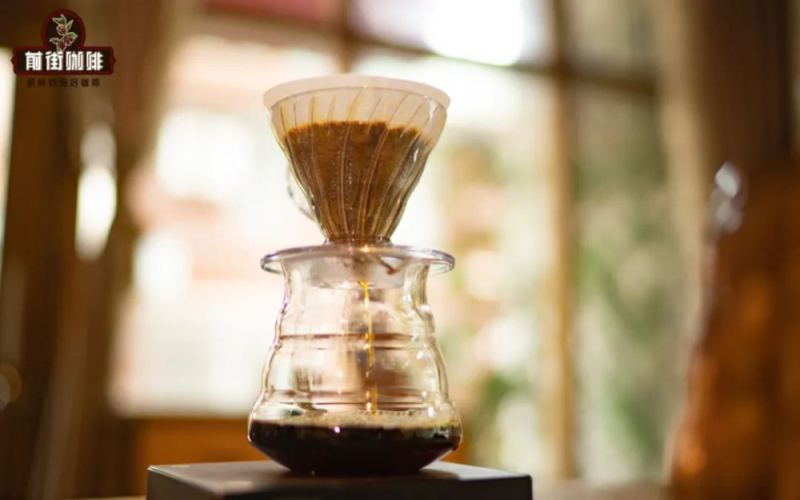
How Does Filter Cone Material Affect Coffee Extraction? Analyzing Brewing Differences Through Thermal Conductivity and Specific Heat Capacity
Coffee filter cups on the market come in a wide variety of materials—resin, glass, ceramic, and metal each have their own fans—but what real impact do different materials actually have on brewing? Many people's first thought is the price difference, but setting aside cost, the most core difference between materials lies in their ability to control temperature. Thermal conductivity determines how quickly heat is transferred, while specific heat capacity relates to how much heat an object can store. Together, these two physical parameters directly change the temperature performance of hot water during the extraction process. Metal conducts heat fastest but also dissipates it quickly; ceramic has a high specific heat capacity but needs thorough preheating; glass performs mildly; and resin, because it absorbs heat slowly, has almost no effect on water temperature. In this article, Front Street Coffee will break down the characteristics of four common filter cup materials one by one, and combine them with the actual differences in flow rate among V60 versions made of different materials, to help everyone understand why you cannot simply copy extraction formulas from the internet, but should instead flexibly adjust your brewing strategy according to the material of the filter cup in your hands. [more…]
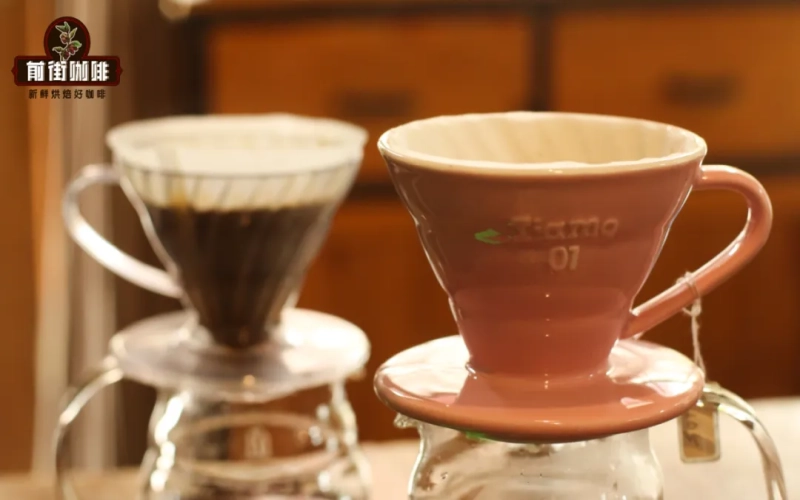
How do the material differences between ceramic and resin drippers affect the extraction results of pour-over coffee?
The material of a pour-over coffee dripper isn't just about feel and aesthetics—it genuinely changes the flavor in the cup. Front Street Coffee has shared before that the reason different dripper materials produce different extraction results comes down to two physical indicators: specific heat capacity and thermal conductivity. Thermal conductivity determines how quickly heat transfers, while specific heat capacity determines how easily a substance heats up or cools down. Together, they determine how much temperature a dripper "steals" from the hot water. This article will start from these two concepts to explain why a ceramic dripper makes coffee less bitter when it hasn't been preheated, why it's best to warm a ceramic dripper with hot water before use, and offer parameter adjustment suggestions based on actual brewing. [more…]

The Complete Guide to Buying a Dripper: The Profound Impact of Cone Shape, Internal Ribs, Hole Design, and Material on Extraction Flow Rate and Temperature Control
Faced with drippers of all shapes and sizes on the market, friends new to pour-over coffee are often baffled by names like V60, Kono, and Origami, along with materials such as ceramic, resin, and metal. This article starts from the fundamental structure of the dripper, breaking down what the cone shape, internal ribs, bottom hole, and construction material each mean. You'll come to understand that these designs ultimately point to two core factors: flow rate and temperature control, and grasping the differences in thermal conductivity and specific heat capacity can help you match a more suitable dripper to your brewing method. Front Street Coffee takes you through the principles so you no longer follow trends blindly, and find that perfect cup of coffee of your own. [more…]
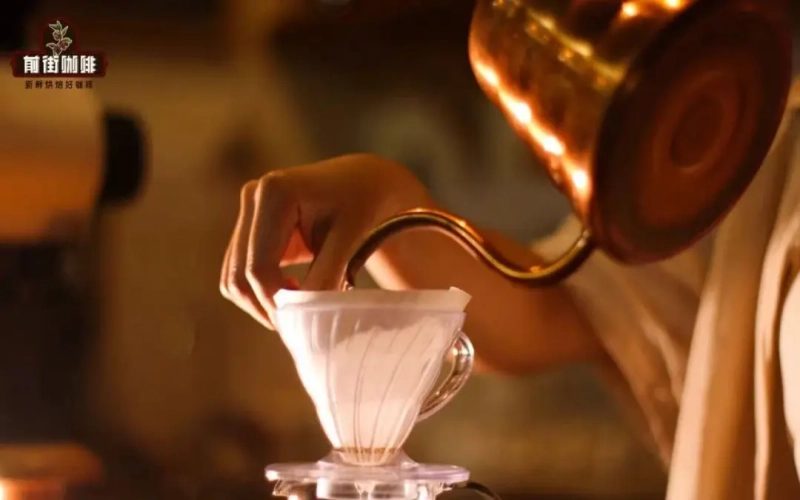
The Impact of Wetting Filter Paper Water Temperature on Coffee Extraction: How to Choose Between Hot and Cold Water
When brewing pour-over coffee, wetting the filter paper is a common step, but have you ever considered that the choice of water temperature can also change the final flavor? This article analyzes the different results brought by wetting the filter paper with hot water versus cold water from three dimensions: the state of the filter paper, extraction efficiency, and coffee temperature. At the same time, drawing on Front Street Coffee's brewing experience, it offers recommendations for filter holders made of different materials such as ceramic and resin, and explores the actual impact of preheating the sharing pot on the temperature of the brewed coffee. Whether you are pursuing sweetness or delicate flavors, you can find a way of wetting the filter paper that suits you. [more…]

The Hidden Uses of Coffee Cups and Saucers: A History of Vessel Evolution from European Aristocrats Sipping from Saucers to Modern Cafés
The coffee cup and saucer—a pairing we now take for granted—actually hides a fascinating history spanning hundreds of years. Different cultures have radically different interpretations of what a coffee saucer is for: some use it to hold a spoon, some use it to collect bones, but Europeans once had a surprising answer: the saucer was meant for drinking coffee. From the awkward situation in 17th-century Europe when there were no dedicated coffee cups, to the tableware revolution after Zheng He's voyages to the West brought porcelain, and then to the widespread adoption of mugs with handles, the evolution of the coffee cup and saucer reflects humanity's eternal tug-of-war between elegance and practicality. This article takes you back through this amusing history, complete with hilarious comments from netizens and a hands-on test by Front Street Coffee. [more…]
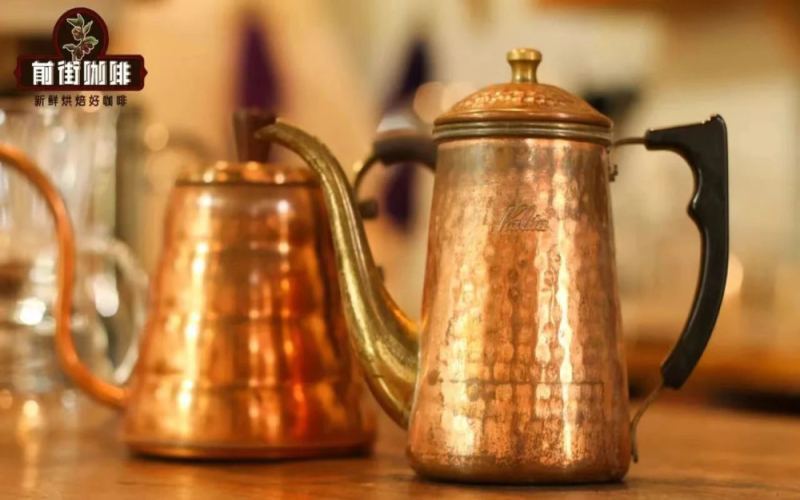
Pour-Over Kettle Buying Guide: A Detailed Look at Spout Shapes, Material Differences, and Brand Recommendations
The heating up of the single-origin coffee market has driven the diversified development of pour-over equipment. Faced with numerous brands such as Kalita, Hario, and Bonavita, as well as different kettle shapes like fine spout, gooseneck, and flat spout, beginners often find it hard to choose. This article approaches the topic from two major dimensions—spout inner diameter and material characteristics—to systematically sort out the pros and cons and applicable scenarios of various pour-over kettles. Combined with the hands-on experience of several baristas, it also reviews popular models such as the Hario Cloud kettle, Bonavita gooseneck kettle, Kalita copper kettle, and Melitta pour-over kettle. Whether you are a novice just getting into pour-over or an enthusiast seeking advanced equipment, you can find a direction that suits you. The article also includes practical advice from Front Street Coffee. [more…]
From Grinding to Temperature Control: Systematically Master the Seven Core Elements of Stable Espresso Extraction
To consistently make a delicious Espresso at home or in a shop, relying on feel alone is far from enough—you need to understand and control several key variables. This article breaks down the hardware and operational points that affect espresso quality one by one, from grind uniformity, fixed dose, and tamping technique, to brewing pressure, water temperature, extraction yield, and machine materials. Whether you use a flat burr or conical burr grinder, a vibration pump or rotary pump, you can find practical adjustment ideas here. The article also shares Front Street Coffee's practical suggestions on equipment selection and parameter settings, helping coffee enthusiasts avoid detours and make every shot of espresso closer to the ideal state. [more…]
Why has the V60 pour-over dripper won the favor of so many coffee lovers?
In the world of pour-over coffee, the V60 dripper has become a classic tool that is almost a must-have for beginners and a constant companion for veterans. Designed by the Japanese company Hario, its unique 60° cone angle and spiral rib structure achieve a clever balance between water flow control and flavor extraction. Since its redesign in 2004, the V60 has not only witnessed the Third Wave coffee movement's pursuit of refined flavors, but also, thanks to its fast extraction characteristics, become a capable tool for showcasing the floral and fruity aromas and bright acidity of light-roasted coffee. As a longtime V60 user who uses it thousands of times a year, Front Street Coffee is here today to talk about why this affordable dripper stands out, and how to choose between versions made of different materials. [more…]
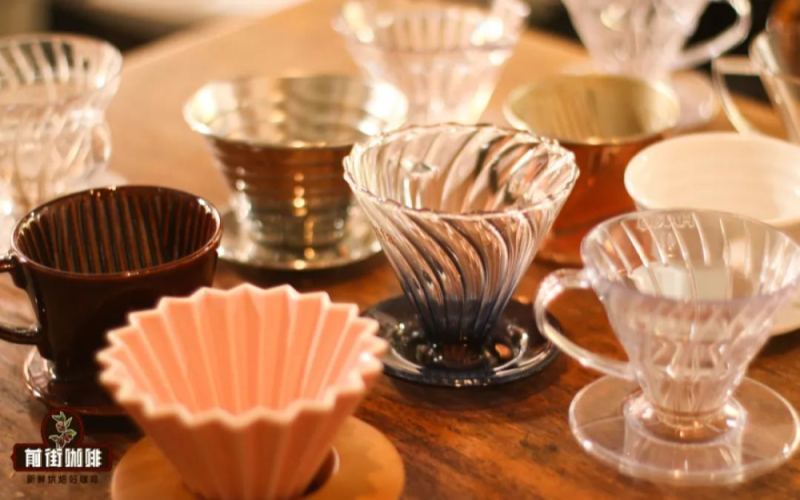
How Do Flow-Guiding Ribs and Holes Affect Pour-Over Extraction? A Full Analysis of Dripper Structural Differences
Pour-over drippers on the market come in all shapes and sizes, from conical to fan-shaped, from single-hole to multi-hole, and behind every design lies a different extraction logic. The key to a cup of coffee's flavor direction is often hidden in the distribution of the dripper's ribs and the drainage holes. How do the flow channels alter the water path? Why do spiral ribs make extraction more even? How do the number and size of the holes affect the drainage speed? From Front Street's perspective, this article breaks down the core structure of the dripper one by one, helping you see the essence amid a dazzling array of products and choose the one that truly suits you. [more…]
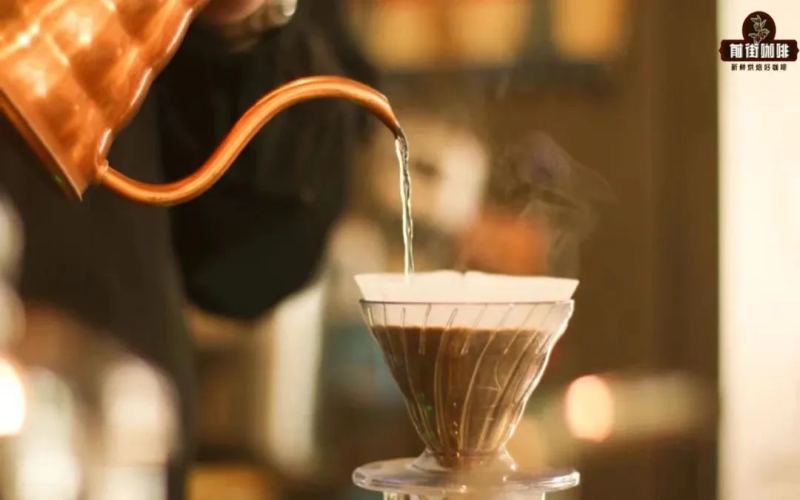
Coffee Dripper | Why Is the V60 So Popular? What Design Advantages Does the V60 Have? Is the V60 Suitable for Coffee Beginners with Zero Experience?
If you're a beginner and you ask a seasoned coffee veteran to recommend a practical, easy-to-use pour-over dripper, then Front Street Coffee believes the dripper they'd recommend to you is most likely a product launched over 20 years ago—the V60. Even though new drippers keep coming out every year, as of today, it's still [more…]
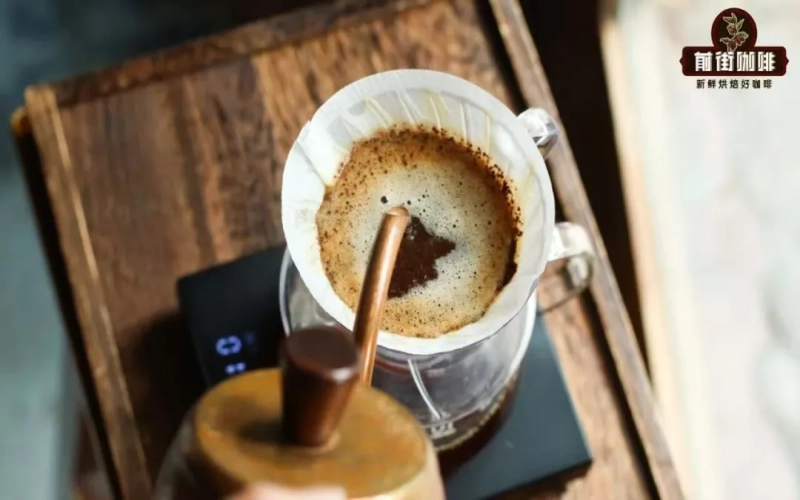
Pour-Over Coffee Dripper Buying Guide: A Full Breakdown of Bed Structure, Flow Rate, and Material, Plus Front Street Recommendations
Faced with a dazzling array of pour-over drippers, many coffee lovers often don't know where to start. In fact, the differences between drippers mainly come down to three aspects: the bed structure, the flow rate, and the material choice. The bed structure determines the evenness of extraction and the layering of flavors—cone-shaped, flat-bottomed, and wedge-shaped each have their own characteristics; the flow rate is affected by the rib design and the size of the outlet, with fast and slow rates leading to completely different flavor profiles; the material affects heat retention and price. Once you understand these differences, you can make a choice based on your personal taste preferences. Front Street Coffee will provide specific buying recommendations at the end of this article—just follow them and you can easily get started. [more…]
A Complete Guide to the V60 Dripper: From Its Historical Origins to Brewing Techniques, and Why It Became the Benchmark Tool in the Pour-Over World
In the world of pour-over coffee, the V60 dripper is a classic piece of equipment that almost every enthusiast cannot avoid. This article will start from the background of the V60's birth, tracing how Hario drew inspiration from a laboratory funnel and ultimately designed this conical dripper that changed the pour-over landscape. At the same time, it will analyze in detail how the V60's three major extraction characteristics—the 60° cone angle, the large-aperture outlet, and the spiral rib structure—work together to shape the flavor direction of the coffee. In addition, the article will also explore the connection between the third wave of coffee and the V60's rise to popularity, explaining why the delicate floral aromas and fruity acidity of light-roasted beans require fast extraction to be fully expressed, and compare the practical effects of different materials such as resin, ceramic, and glass on brewing, as well as the reason Front Street Coffee has long chosen the resin version of the V60. [more…]
Hario V60 01 vs 02 Dripper Comparison: Size, Coffee Dose, and Brewing in Practice
The Hario V60 is practically standard equipment for every pour-over enthusiast, but what exactly is the difference between the 01 and 02? From the perspective of Front Street Coffee, this article first reviews the design origins and three core features of the V60 dripper, then takes a deeper look at how the 01 and 02 differ in recommended coffee dose and actual capacity, and explains why the 02 dripper requires a coarser grind. After that, using the Yirgacheffe Natural Red Cherry as an example, it presents the three-pour brewing parameters and techniques for both drippers, helping you make a more suitable choice in your daily brewing. [more…]
Should coffee cups be preheated before brewing? A practical guide to temperature control from espresso to pour-over
Many tea brewers are in the habit of first warming their cups and rinsing their teapots, believing this cleans the utensils, raises the temperature, and releases aroma. So in coffee making, is warming the cup equally necessary? Some feel it directly affects the flavor and mouthfeel of the entire cup, while others consider it optional. This article approaches the question from two angles—espresso and pour-over—and, taking into account practical factors such as serving temperature, cup wall material, and drinking scenario, analyzes the role and limitations of cup warming in different situations, and offers flexible suggestions. If you also care about how a cup of coffee changes in temperature from serving to sipping, read on. [more…]
Why has the V60 dripper endured? From the origin of its name to an analysis of its conical shape, large hole, and spiral ribs
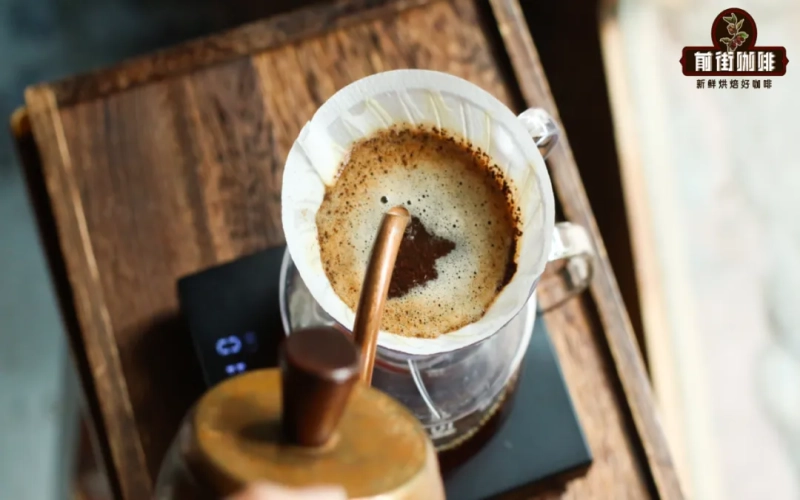
In the world of pour-over coffee, the V60 dripper's status has remained unshakable for years. Why is it so popular? This article will start with the background of the V60's birth, tracing the historical moment when it was launched by Hario in 2004, and analyze its three core designs one by one—the 60-degree conical body, the large outlet opening, and the spiral ribs—explaining how these structures together create its extraction characteristics: fast flow, rich layering, and versatile brewing possibilities. It will also compare the differences between conical, fan-shaped, and cake drippers, introduce the choice of different materials, share Front Street Coffee's reasons for preferring the resin version of the V60, and finally objectively point out the practice threshold that beginners need to face when using the V60. [more…]
Hario V60 vs Chemex Coffee Brewer Comparison: Extraction Principles, Design Features, and Brewing Method Recommendations
In the world of specialty coffee, the Hario V60 and the Chemex are two highly representative pour-over brewing devices. Although both fall under the drip category, their design philosophies and extraction logic are vastly different. With its 60-degree cone angle and spiral rib structure, the V60 gives brewers enormous room for adjustment, making it ideal for veterans chasing flavor complexity; the Chemex, by contrast, draws inspiration from laboratory glassware and, paired with its thicker filters, allows even beginners to easily achieve a clean, translucent cup. This article breaks down the differences between these two classic devices in detail—from their construction and extraction variables to flavor tendencies—and includes concise brewing recommendations to help you choose based on your own needs. Whether you prefer bright and crisp or rich and balanced, you'll find direction here. [more…]
From Light to Dark: A Comprehensive Analysis of Eight Coffee Roast Levels and a Practical Operational Guide
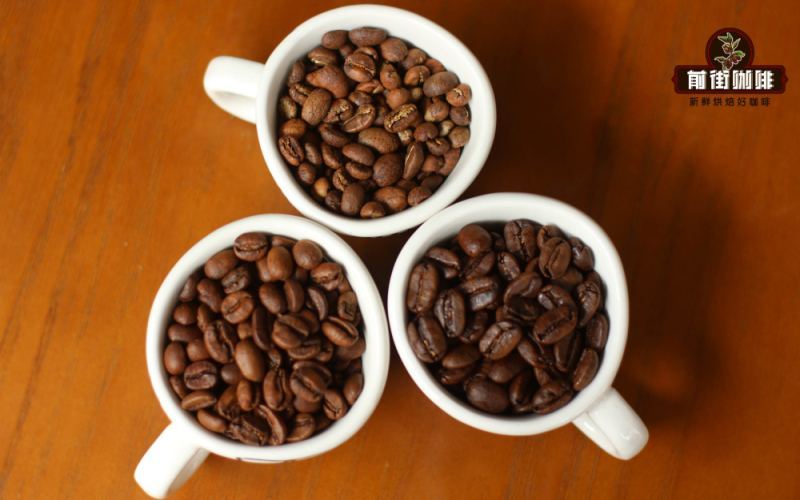
Coffee roasting is the core step that determines the flavor direction of a cup of coffee. From green beans to the drink in your cup, the degree of roast directly governs the balance of acidity, sweetness, and bitterness. This article systematically sorts out eight common roast levels, the working principles of three types of coffee roasters, and the mechanisms by which caramelization and the Maillard reaction shape flavor. It also records in detail Front Street Coffee's operational procedures and curve management experience in actual roasting, helping coffee enthusiasts build a complete cognitive framework from theory to practice. [more…]
Creating a Layered Dirty Coffee: A Full Breakdown of Key Techniques from Pour Height to Milk Density
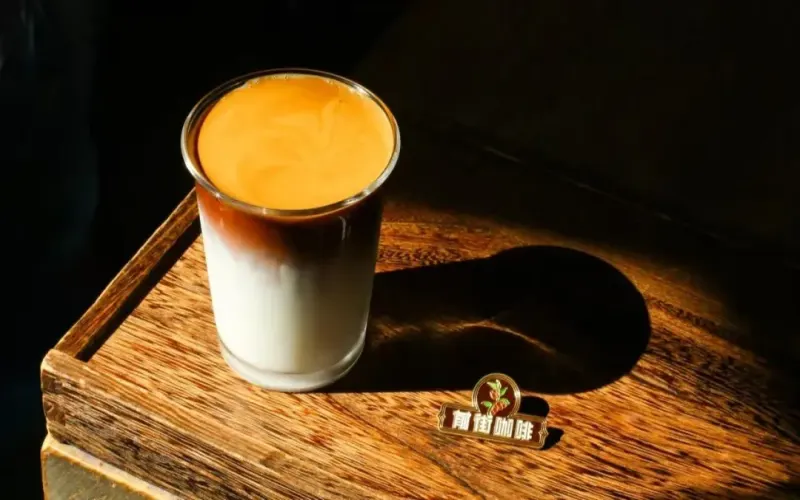
Want to make a Dirty with distinct layers, but always run into the problem of the coffee and milk blending too early, leaving the layers unclear? The key actually lies in two details: the distance the espresso falls from, and the viscosity and density of the milk itself. This article takes a practical approach and shares how to adjust the receiving height, use purified milk, chill your cups, and more, so that both the visual effect and the mouthfeel of your Dirty come closer to the ideal. It will also answer the question of whether the roast level of the coffee beans affects layering, and share Front Street Coffee's actual test conclusions to help you easily make a cup of "dirty" with true pedigree. [more…]
Cold Brew Black Coffee Recommendations | What Is the Extraction Principle of Cold Brew Coffee? How to Increase Cold Brew Coffee Concentration? Is Dark Roast Mandheling Suitable for Cold Brew?
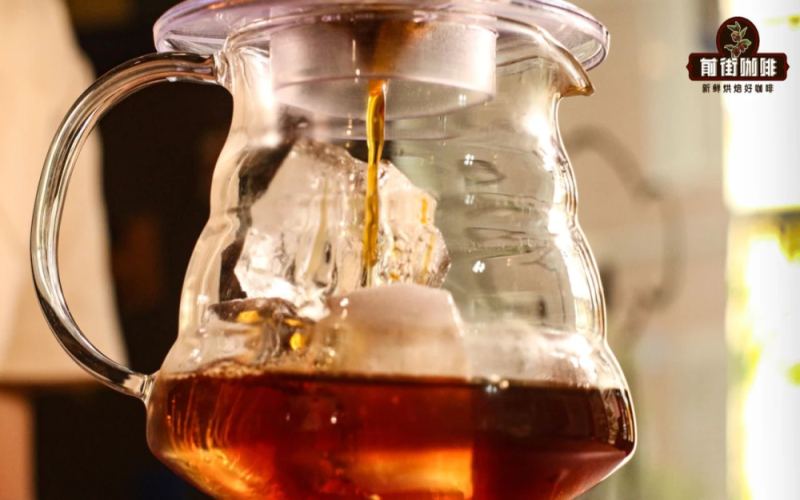
The happiness of summer is probably being able to stay indoors, enjoy the air conditioning, and still sip a cup of cold brew coffee that beats the heat. Because it's so easy to make, even those who don't know how to brew coffee can effortlessly whip up a smooth, rich, full-flavored, clean and refreshing iced coffee that's perfect for summer. Another [more…]

Cold brew coffee extraction principles | Is cold brew coffee complicated and difficult to make? Is dark-roast Mandheling suitable for cold brew? How can coffee beginners make cold brew coffee at home?
For more specialty coffee knowledge, please follow: Front Street Coffee (Frontsteet Coffee) The happiness of summer is probably being able to stay indoors, enjoy the air conditioning, and sip a cup of cold brew coffee that beats the heat. Because the brewing method is simple, even those who don't know how to brew coffee can easily make [more…]